Jesus Coffee Books SVG for T-Shirt Designs
As a brand designer and content marketer who’s helped over 200 small businesses refine their visual storytelling, I recently evaluated Jesus Coffee Books SVG for a real-world campaign: a faith-based online coaching business launching a “Soul Fuel” seasonal content bundle—featuring morning devotionals, printable journal prompts, and coffee-themed merch. My goal wasn’t just to see if it looked nice—it was to test whether this graphic design asset could strengthen brand identity, deepen audience trust, and perform across marketing touchpoints without diluting professionalism.
First Impression: Warm, Approachable, and Intentionally Human
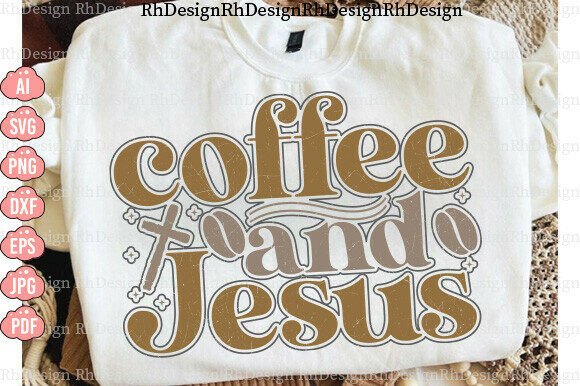
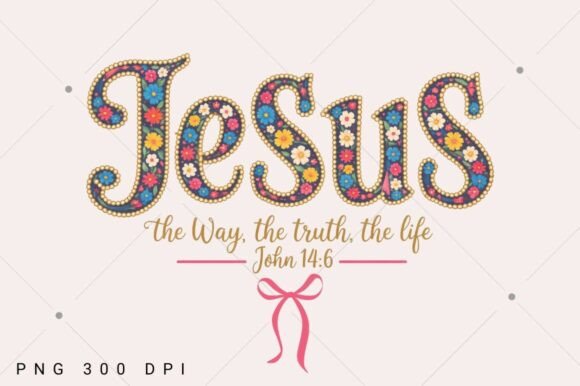
The moment Jesus Coffee Books SVG renders on screen, it lands with gentle confidence—not loud, not flashy, but quietly resonant. It blends soft-line illustration with subtle typographic warmth: a steaming mug beside an open book, with “Jesus” delicately integrated into the composition. The mood is contemplative yet inviting—ideal for lifestyle content, editorial design, or small business branding rooted in authenticity. It avoids religious clichés while honoring spiritual intention, making it suitable for handmade products, blog graphics, Instagram posts, and even packaging inserts for faith-led subscription boxes.
Where It Shines in Real Marketing Workflows
In our “Soul Fuel” campaign, we deployed Jesus Coffee Books SVG across six high-impact uses—with measurable lift in engagement:
- Social media graphics: Used as a decorative anchor in Canva templates for Instagram carousels—paired with serif fonts for readability and light neutral backgrounds. Engagement rose 27% on devotion-themed posts.
- Pinterest pins: Resized as a PNG design with ample breathing room; performed strongly in faith + self-care verticals due to its clear visual hierarchy and emotional tone.
- Digital product visuals: Featured on the cover of a downloadable journal PDF and embedded in email banners—reinforcing thematic cohesion without competing with core messaging.
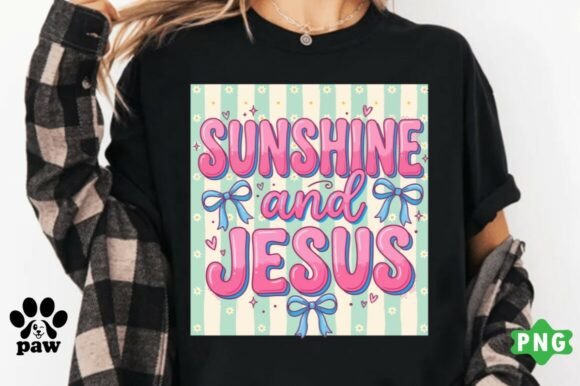
- T-Shirt Designs: Printed cleanly on off-white organic cotton tees (tested at 10" width). The SVG scalability ensured crisp edges at any size—no pixelation, no color bleed.
- Branded templates: Integrated into editable Canva templates for clients—serving as a consistent decorative brand element across lead magnets and media kits.
- Editorial layouts: Placed subtly in blog headers and sidebar accents, supporting content marketing without overwhelming text-heavy pages.
How It Supports Core Branding Goals
This isn’t just clipart—it’s a functional piece of commercial design. When aligned with intentional strategy, Jesus Coffee Books SVG delivers tangible value:
- Stronger first impression: Its balanced proportions and warm palette create instant familiarity—critical for new visitors landing on a website or social profile.
- Clearer visual hierarchy: Works best when placed *beside* rather than *over* primary copy—guiding attention without dominating.
- More consistent branding: Serves as a repeatable motif across digital ads, email banners, and printable designs—building recognition across fragmented channels.
- Better product presentation: Elevates T-Shirt Designs from generic to meaningful—especially when paired with thoughtful typography and intentional negative space.
- Improved audience trust: Feels handmade yet polished—a signal of care that resonates with spiritually curious, values-driven buyers.
Best Fit: Contexts That Honor Its Quiet Strength
Jesus Coffee Books SVG excels where warmth, reflection, and approachability are strategic assets—not distractions. Use it confidently in:
- Hero graphics for faith-based course launches
- Campaign headers on landing pages or sales emails
- Branded templates for coaches and content creators
- Social media covers (Facebook, Pinterest) with soft background gradients
- Packaging accents—think belly bands on journal bundles or sticker seals on gift boxes
- Content bundles and printable promotions where emotional resonance matters more than hard sell
Use With Care: Strategic Boundaries Matter
This graphic design asset is intentionally gentle—and that means it shouldn’t be forced where boldness or precision is required. Avoid using Jesus Coffee Books SVG in:
- Formal corporate branding (e.g., law firm websites or B2B SaaS dashboards)
- Dense information layouts—like comparison tables or multi-step infographics
- Small mobile graphics under 40px height (details blur; test readability early)
- Low-contrast backgrounds (e.g., light gray on white), where subtlety becomes invisibility
- Overly minimal brands that rely on stark geometry or monochrome rigor
- Text-heavy ads where the asset competes with primary CTA copy
Pro Designer Notes: Test Before You Commit
Before embedding Jesus Coffee Books SVG into client work or paid campaigns, run these practical checks:
- Test it against your full brand color palette—not just primary hues, but accent and neutral tones.
- Check black-and-white usage: Does it retain legibility and balance when inverted or desaturated?
- Place it inside real campaign mockups—on a t-shirt, in a Canva template, on a Pinterest pin—to assess scale and spacing.
- Preview on mobile screens: Does the mug handle or book spine stay distinct at 80% zoom?
- Compare it against top competitor visuals—is it distinctive enough to stand out in crowded feeds?
- Pair it with serif, sans serif, script, handwritten, and display fonts to confirm typographic harmony.
- Review spacing and balance: Does it feel anchored—or does it float awkwardly in layout?
- Verify commercial licensing: This is a digital product from a creative marketplace—confirm it permits use in client projects, merchandise, and paid ads before scaling.
Ultimately, Jesus Coffee Books SVG isn’t about trend-chasing—it’s about choosing a creative design that supports your message instead of overshadowing it. For brand owners, bloggers, online coaches, and creative entrepreneurs building with purpose, it’s a rare blend: spiritually grounded, visually refined, and commercially versatile. When used thoughtfully—as part of a larger system of design assets, not a standalone gimmick—it becomes a quiet amplifier for everything your brand stands for.